
Massage Therapy Services and Spa Treatments
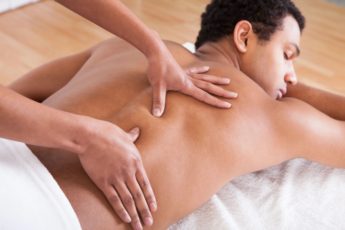
I provide many Types and Techniques of Massage Therapy: Every session is customize to clients individuals wants and needs of therapy service to give a them a unique satisfying experience. Giving the Best Customer service to enhance quality of health and ensure retaining client loyalty.

Descriptions of services.
Therapeutic Massage:is used in almost all of our treatments. it is a soft tissue therapy which improves the functioning of the muscular, circulatory, lymphatic, skeletal and nervous systems. It also improves the rate in which the body recovers from injury or illness.
Swedish Massage:Swedish massage is the most common and best-known type of massage in the West. If it’s your first time at the spa or you don’t get massage often, Swedish massage is the best place to start. Swedish massage and other types of therapeutic massage are performed by trained, licensed massage therapists.
Swedish massage is the foundation for other types of Western massage, including sports massage, deep tissue massage and aromatherapy massage. It is based on the Western concepts of anatomy and physiology, as opposed to energy work on “meridiens” or sen lines in Asian massage systems. Most people get a 50 or 60-minute Swedish or deep tissue massage, but 75 or 90-minutes gives the therapist more time to work the muscle tissue and achieve results.
Deep Tissue:A type of massage in which the fingers, thumbs and elbows are used to release chronic muscle tension, using slow, deep strokes and friction; the therapist may work perpendicularly to the length of the fibres of the superficial muscles, with the intent of massaging muscle that lies underneath. The therapy borrows from other forms of bodywork, including Chua ka, cross-fibre friction massage, deep tissue sculpting, Hellerwork, Rolfing and others; it is believed to increase blood flow and to be of greatest use in problem muscles for pain, rehabilitation and arthritic complaints.
Trigger Point:Myofascial trigger points, also known as trigger points, are described as hyperirritable spots in the fascia surrounding skeletal muscle. They are associated with palpable nodules in taut bands of muscle fibers.[1] They are a topic of ongoing controversy, as there is limited data to inform a scientific understanding of the phenomenon. Accordingly, a formal acceptance of myofascial “knots” as an identifiable source of pain is more common among bodyworkers, physical therapists, and chiropractors and osteopathic practitioners. Nonetheless, the concept of trigger points provides a framework which may be used to help address certain musculoskeletal pain.
The trigger point model states that unexplained pain frequently radiates from these points of local tenderness to broader areas, sometimes distant from the trigger point itself. Practitioners claim to have identified reliable referred pain patterns which associate pain in one location with trigger points elsewhere. There is variation in the methodology for diagnosis of trigger points and a dearth of theory to explain how they arise and why they produce specific patterns of referred pain.[2]
Compression of a trigger point may elicit local tenderness, referred pain, or local twitch response. The local twitch response is not the same as a muscle spasm. This is because a muscle spasm refers to the entire muscle contracting whereas the local twitch response also refers to the entire muscle but only involves a small twitch, no contraction.
Among physicians, various specialists might use trigger point therapy. These include physiatrists (physicians specializing in physical medicine and rehabilitation), family medicine, and orthopedics. Osteopathic as well as chiropractic schools also include trigger points in their training.[3] Other health professionals, such as athletic trainers, occupational therapists, physiotherapists, acupuncturists, massage therapists and structural integrators are also aware of these ideas and many of them make use of trigger points in their clinical work as well.[
Pregnancy Massages:(also called Prenatal)is very beneficial to the mother to be. Not only does massage help ease the normal discomforts of pregnancy such as swollen ankles and feet, headaches, and edema but also relieves depression and anxiety caused by hormonal changes. Massage increases local and general blood circulation, which brings more oxygen and nutrients to the cells of both the mother and the baby.
Sports Massage:Sports massage focuses on muscles relevant to the event. For athletes who train continuously, the goal is to enhance endurance, lessen the chance of injury and shorten the time needed to recover from an event.Sports Massage may utilize a variety of techniques such as classical Swedish Massage, trigger point therapy, and hydrotherapy. Prior to an athletic event, Sports Massage may be used with stretching in order to help athletes to loosen, warm and prepare their muscles so that their performance and endurance might be enhanced. Following an athletic event, Sports Massage may be used to relieve pain, prevent stiffness, and return the muscles back to their normal state. Sports Massage may also be used for injury rehabilitation.
Hot Stone:
Aroma Therapy:
Foot Reflexology:
PNF Stretching:
Couples Massage:
Body Scrubs:
Body Wraps:
Located in San Antonio Texas 78201


